
Introduction
You probably don't think twice about squatting to sit down in a chair, lifting/carrying groceries, reaching into the dishwasher, picking up a child from the bathtub, bending down to clean the floor, or getting up from the floor... until one of those things becomes difficult.
These everyday movements are often the first indicators of how well your body is functioning, not how physically “fit” you are, but how capable you are. Our mission at UltraSlide is to move beyond "quick fixes" and focus on sustainable wellness and movement longevity. The good news is, these movement patterns we are talking about can be practiced, improved, and carried over into your daily life!
1. The Squat
The squat is perhaps the ultimate functional movement. If you can master squatting with intention, good form, and breathing, you could have independence in your movement for a lifetime. It is the foundation of our ability to navigate the physical capacities of your life, the world, and honestly, is a foundational movement we can integrate into many of our day to day activities!
- Why it matters in daily life: Sitting down and standing up from chairs or the toilet, picking up children or bags, bending to reach or clean, gardening, and so much more.
- Signs you may struggle: Knees or feet pronating inward, your back rounding during the movement, back pain or pulling with movement, tucking your hips at the bottom, or needing to use your hands for leverage to stand back up every time.
- Simple ways to improve: Practice bodyweight squats in different positions, use box squats for stability, practice exercising in that movement for more sustained periods of time, and think quality of your movement over how many you can perform, and focus on hip mobility exercises.
2. The Hinge
Often overlooked, the hinge is the key to protecting your back while lifting.
- Daily Examples: Picking up a laundry basket, loading a case of water into the trunk, or deadlifting safely.
- The Key Distinction: Bending at your hips while engaging your deep core (pushing your glutes back) vs. bending at your back without focus on connection. A proper hinge keeps the spine neutral and engages the powerful muscles of your posterior chain.
3. Push & Pull
Upper-body strength is not just about aesthetics; it is about core stability and body awareness.
- Daily Examples: Opening heavy doors, vacuuming, pushing a stroller, moving boxes, moving furniture, carrying luggage, and many heavy work tasks.
- Why it Matters: These movements require upper-body strength to work alongside core stability, ensuring you can exert force without losing balance, slipping, falling, or straining your back.
4. Rotation
We live and move daily in 360 degrees, yet we often only train in a straight line.
- Daily Examples: Backing out of the driveway (turning to look), reaching into the backseat, getting out of bed, and playing sports like pickleball, volleyball, golf, and more.
- The Focus: Maintaining spine mobility and ensuring your core can stabilize your body during twisting motions.
5. Balance & Lateral Movement
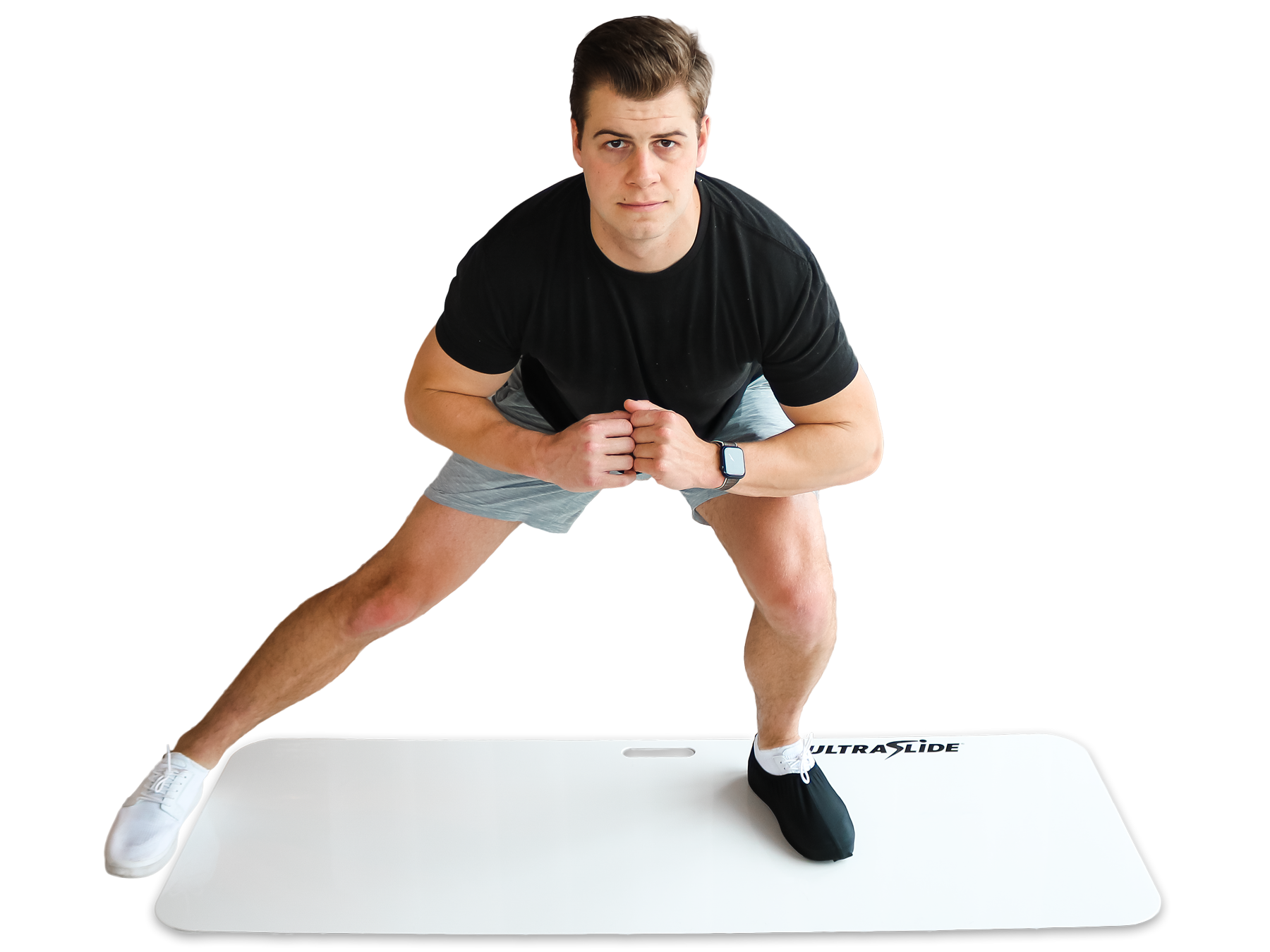
This is where we often see the greatest decline as we age, and it’s where UltraSlide naturally fits into your routine.
- Daily Examples: Walking on uneven ground, stepping sideways to avoid an obstacle, preventing a fall, or playing active sports.
- The Lateral Gap: We almost never train sideways in traditional exercise, yet lateral stability is critical for joint health and preventing injury.
Bringing It All Together
These aren't just "gym movements." These are life movements. When these patterns become easier, your entire life becomes easier and more enjoyable, and likely with less discomfort.
The UltraSlide Connection
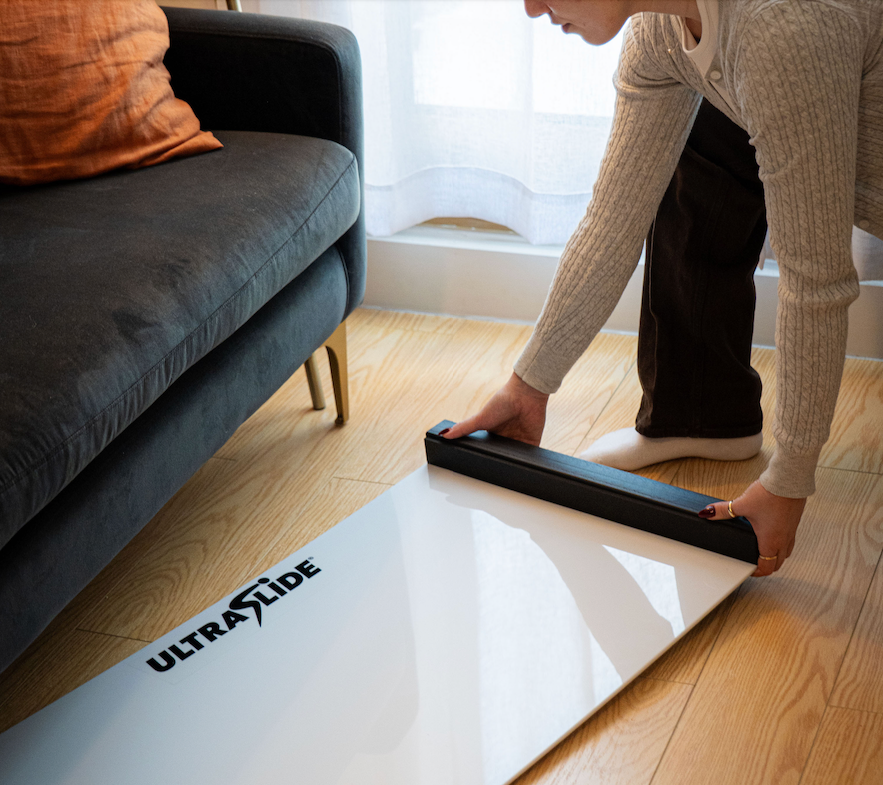
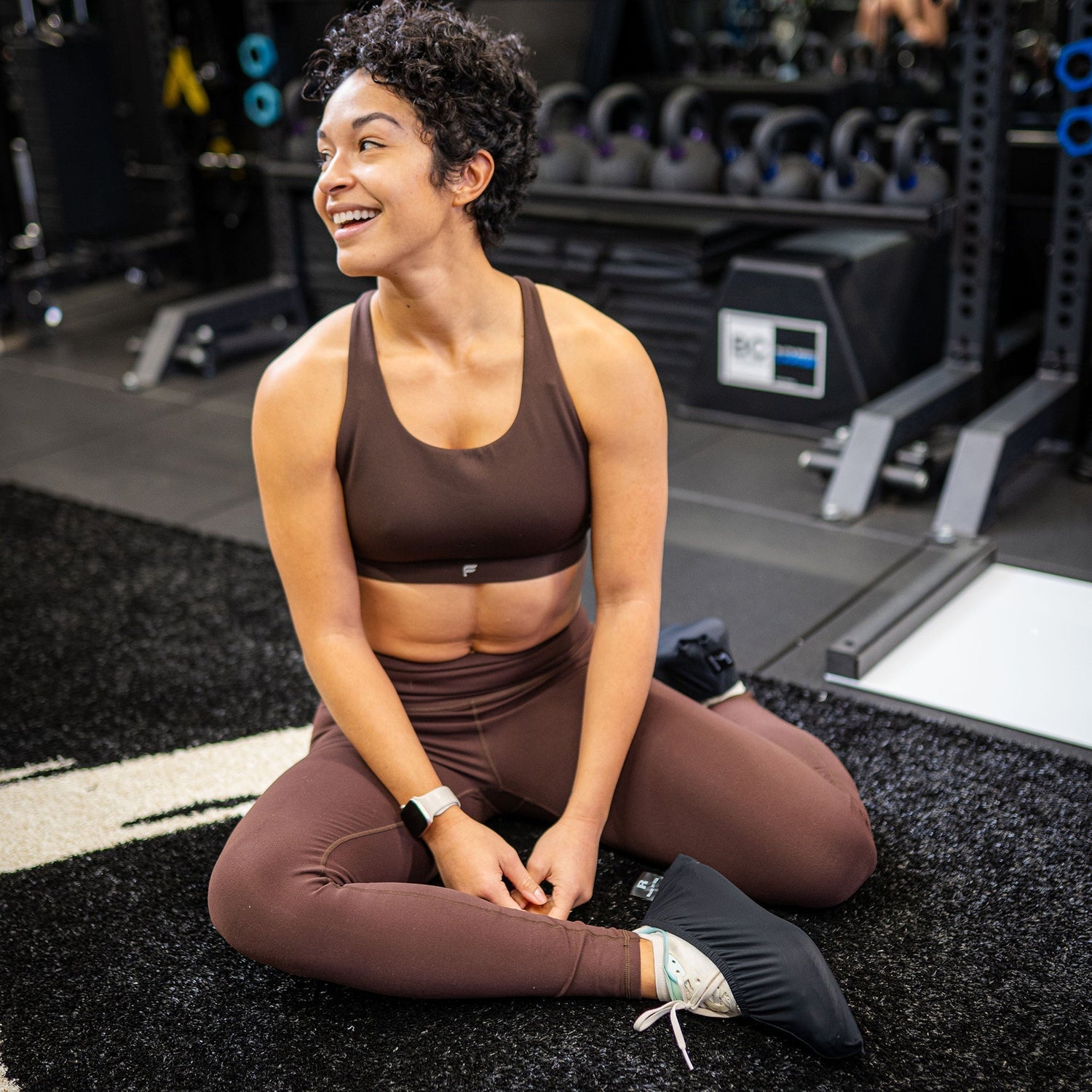
UltraSlide is designed to challenge these patterns in a way traditional equipment simply cannot. By adding a low-impact, lateral component to your training, you improve:
✔ Balance & Coordination: Vital for healthy aging.
✔ Multi-directional Control: Strengthening the stabilizing muscles around your joints.
✔ Core Integration: Forcing your body to stabilize through every slide.
Next Steps:
Download the Beginner's Guide to Functional Movement
Read blog: Why Functional Movement Matters